Treating Gum Disease in Birmingham, AL

Stages Of Gum Disease

Stages of Gum Disease

Gingivitis

Gingivitis is the mildest form of periodontal disease. It causes the gums to become red, swollen, and bleed easily. There is usually little or no discomfort at this stage. Gingivitis is often caused by inadequate oral hygiene. Gingivitis is reversible with professional treatment and good oral home care.

Factors that may contribute to gingivitis include, diabetes, smoking, aging, genetic predisposition, systemic diseases and conditions, stress, inadequate nutrition, puberty, hormonal fluctuations, pregnancy, substance abuse, HIV infection, and certain medication use.

Untreated gingivitis can get into your surrounding bone and tissue. Due to the severity of the infection, gingivitis is a condition that needs to be treated. It can spread from your gums to other parts of your body.

Early Detection

Helps Prevent Teeth Loss

Catching Gingivitis in its early stages is always best to prevent the disease from becoming more severe. 

Following preventative steps by following good hygiene practices at home, you may never have to experience periodontal disease.

Dr. Maddux provides a comprehensive periodontal exam that includes meticulous examination of your:

  • Teeth
  • Plaque level
  • Gums
  • Bone structure
  • Bite

At Home

Oral Habits

A professional dental cleaning by Dr. Maddux will help treat symptoms of early gum disease, or gingivitis, but you need to take steps at home to aid in preventing the disease. 

Gum disease is often caused by a failure to brush and floss properly or frequently enough, and it is important to make changes if you want to see significant improvements in gum health.

  • We can work with you to help improve brushing and flossing techniques, and can provide advice on the best tools to use, including toothbrushes and dental floss.
  • We can also talk to you about alternative ways to floss, for example if you have limited manual dexterity.

Mouth rinse can be a useful addition to your daily routine, but make sure to pick one that is antimicrobial and which will help fight gingivitis.

Advanced Periodontal Disease Treatment

Untreated gingivitis can advance to periodontitis. With time, plaque can spread and grow below the gum line. Toxins produced by the bacteria in plaque irritate the gums. The toxins stimulate a chronic inflammatory response in which the body in essence turns on itself, and the tissues and bone that support the teeth are broken down and destroyed.

Gums separate from the teeth, forming pockets (spaces between the teeth and gums) that become infected. As the disease progresses, the pockets deepen and more gum tissue and bone are destroyed. Often, this destructive process has very mild symptoms. Eventually, teeth can become loose and may have to be removed.

There are many forms of periodontitis. The most common ones include the following.

  • Aggressive periodontitis occurs in patients who are otherwise clinically healthy. Common features include rapid attachment loss and bone destruction and familial aggregation.
  • Chronic periodontitis results in inflammation within the supporting tissues of the teeth, progressive attachment and bone loss. This is the most frequently occurring form of periodontitis and is characterized by pocket formation and/or recession of the gingiva. It is prevalent in adults, but can occur at any age. Progression of attachment loss usually occurs slowly, but periods of rapid progression can occur.
  • Periodontitis as a manifestation of systemic diseases often begins at a young age. Systemic conditions such as heart disease, respiratory disease, and diabetes are associated with this form of periodontitis.
  • Necrotizing periodontal disease is an infection characterized by necrosis of gingival tissues, periodontal ligament and alveolar bone. These lesions are most commonly observed in individuals with systemic conditions such as HIV infection, malnutrition and immunosuppression.

Risk of 

Tooth Decay 

Advanced gum disease destroys the gum tissues which shrink back from the teeth exposing the tooth roots. This is why you may notice teeth appearing longer than is desirable. This is because tooth roots are not covered in enamel, but instead have a thin layer of substance called cementum which is more easily decayed, increasing the risk of cavities.

Dr. Maddux will recommend gum surgery in cases where tooth roots are exposed in this way to help replace the lost tissue, and may also recommend gum grafting. Advanced periodontal disease also destroys bone surround teeth. We have procedures to replace lost tissue and bone such as guided tissue regeneration.

How to Treat Gum Disease

Treating

Gum Recession 

Dr. Maddux Discusses Treatment Options for Gum Recession

Receding Gums Treatment

Receding gums is a serious condition if left untreated can eventually result in tooth loss and decaying of the bone surrounding your teeth. Poor oral hygiene is a common cause. Dr. Maddux will examine your gum tissue to identify why the gum recession is occurring. Depending on the severity of your case and whether it has affected underlying structures like connective tissues or the bone surrounding your teeth, he will choose the most appropriate level of treatment.

Dr. Maddux Discusses Treatment Options for Gum Recession
Gum Recession 

Is An Early Sign of Gum Disease

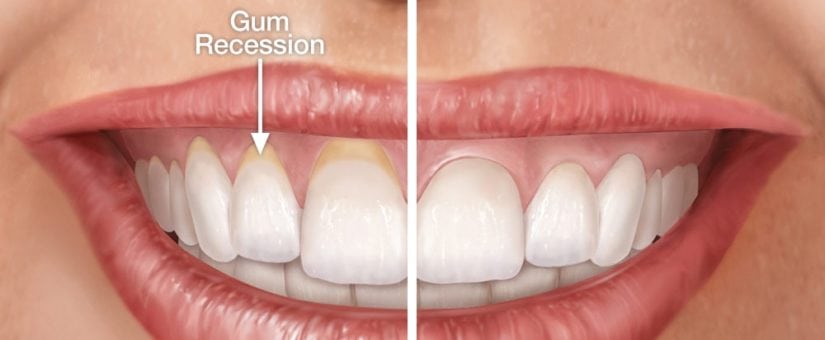
Gum recession is common and occurs when the gum margin that should tightly fit around the tooth begins to pull away, exposing more of the crown of the tooth and in some cases even the tooth root. If you have receding gums, it is often times an early sign of gum disease, as the pockets created or gaps in between the teeth provide a ripe environment for disease causing plaque bacteria to grow. Untreated gum disease can destroy the structures supporting the teeth, ultimately resulting in tooth loss.

Gum Recession 

Common Treatments

Many common treatments for gum recession include deep cleaning or scaling and root planing which deep cleans the gums. Similar to regular hygiene treatment, your teeth receive a deep clean, however you will also receive cleaning or scaling on any exposed tooth roots where calculus tends to build up. Dr. Maddux may recommend scaling and root planing treatments as an ongoing maintenance plan to prevent periodontal disease from recurring.

This process removes infection from the gums to aid in healing. Antibiotics can also be prescribed to help treat any remaining bacteria. If you have a more severe case of infection, your are likely to have deep pockets around your teeth which may have destroyed gum tissue and bone. This may require some additional surgical procedure to help repair the damage.

Alabama Periodontics

Advanced Treatments for Gum Recession

Dr. Maddux may recommend more advanced treatments to surgically remove the bacteria causing the infection and these treatments can also help to rebuild tissues destroyed by periodontal disease. Some of these treatments are extremely sophisticated, using advanced bone grafting techniques and gum grafting procedures to help restore lost tissues. These surgical treatments not only help to replace lost bone and gum, but will also protect the teeth and improve the overall aesthetic appearance of your smile.

  • Guided tissue regeneration can help replace lost gum and bone tissue through inserting regenerative material into the affected areas which helps encourage your body to rebuild gum and bone.

  • Gum grafts: use gum tissue taken from another area in your mouth, and which is secured around the affected tooth.

It is possible to prevent gums from receding by practicing good dental care. This includes taking care of your teeth and gums at home, and attending regular checkups with your dentist. Quitting smoking and eating a balanced and healthy diet can also help you have a healthy and long-lasting smile.

Get A Jump Start On Periodontal Disease.