Non-Surgical Treatment

Occlusal & Bite Adjustment

Dr. Maddux Discusses How Periodontal Disease May Affect Your Bite

How Does Periodontal Disease Affect Your Bite?

Everyone’s bite is unique because your teeth fit together slightly different, and very few people have a bite which could be considered perfect. Dr. Maddux considers a bite to be healthy when the majority of the teeth are present, and there is minimal wear and tear that occurs under normal circumstances. Your bite cannot cause periodontal disease, however, a problem with your bite may make the disease worse.

If some teeth are missing, or perhaps worn down or not stable, this can worsen any level of periodontal disease. Having missing teeth will cause the remaining teeth to shift out of position, affecting your overall bite. Not only missing teeth, but bites can begin to change as part of aging.

Changes to your bite can also affect your jaw joints which are called temporomandibular joints. You have a temporomandibular joint either side of your jaw, and they are responsible for moving the lower jaw. Even a slight change to the way your teeth bite together can place stress on this joint, which in turn can cause pain in the jaw joints. It can also lead to headaches and even neck and shoulder pain.

Adjusting your bite so your teeth fit together correctly can be done in several different ways.
Dr. Maddux Discusses How Periodontal Disease May Affect Your Bite

Making Bite Adjustments

Reshaping Tooth Surfaces

Often it is possible to reshape biting surfaces by identifying high points on particular teeth. Removing the high points can help reduce overall pressure on the teeth to even distribute the forces created during biting over all your teeth.

Bite Splints

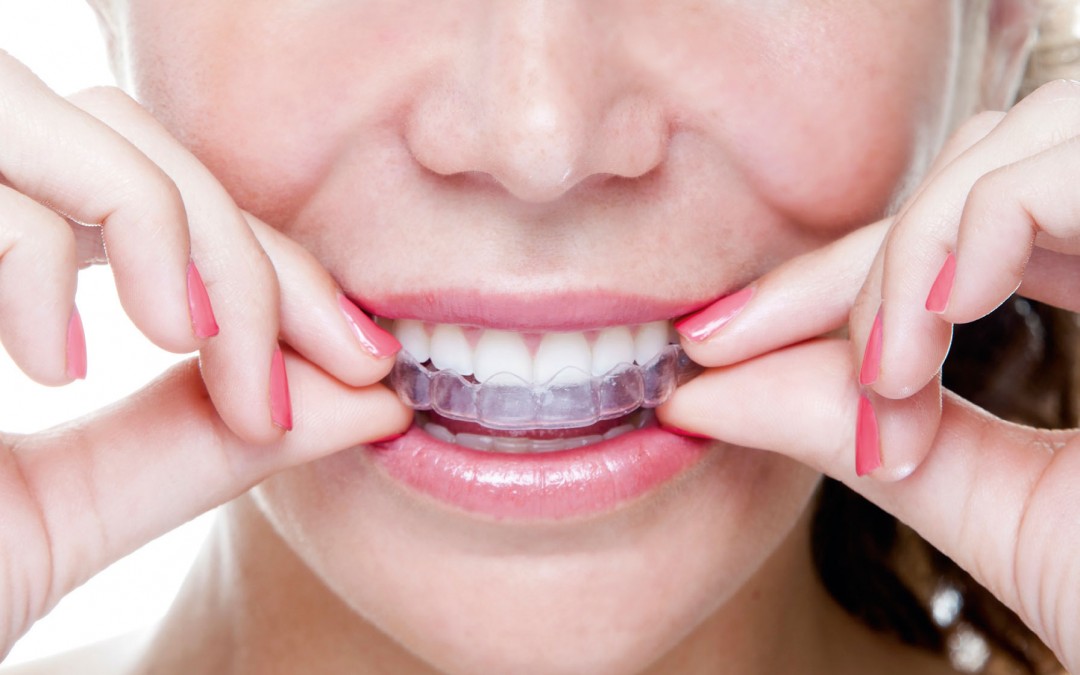
A bite splint is a custom-made device that fits over your teeth so they cannot come into contact. It usually covers your upper teeth and is worn overnight or while asleep. It helps move the jaw to a more relaxed position, enabling the joints and muscles to relax.

Replacing Old Fillings or Restorations

Sometimes making a bite adjustment can be as simple as replacing old and tired fillings, or other restorations like dental crowns. To protect the rest of the natural tooth underneath the filling from damage or decay, all fillings need periodical replacing as part of regular maintenance.

Orthodontic Therapy

If the remaining natural teeth have drifted substantially out of position, orthodontics can help to reposition them correctly.

Restoring Damaged or Worn Teeth

Teeth can become damaged or worn down, especially if you have begun to clench or grind your teeth due to changes in your bite. Restoring these damaged surfaces with dental bonding, fillings or with dental crowns can help restore your bite.

Simple Restoration

Restore Your Dental Health, Today.